11. DAAD-Summer University in cooperation with the Forum Internationale Wissenschaft (FIW)
In cooperation with the German Academic Exchange Service (DAAD), the FIW organises the Summer University for DAAD lecturers almost every year. This year, the focus is on the many different challenges facing universities worldwide.
Scientific direction
Prof. Dr David Kaldewey, Professor of Science Studies and Politics, Director of the Department of Science Studies at the FIW and Executive Director of the Institute of Sociology, University of Bonn
in collaboration with
Dr Lena Laube, Research Focus: Political Sociology, Scientific Director of the Forum Internationale Wissenschaft (FIW), University of Bonn
Prof. Dr Adrian Hermann, Professor of Religion and Society and Director of the Department of Religious Studies, Executive Director of the Forum Internationale Wissenschaft (FIW), University of Bonn
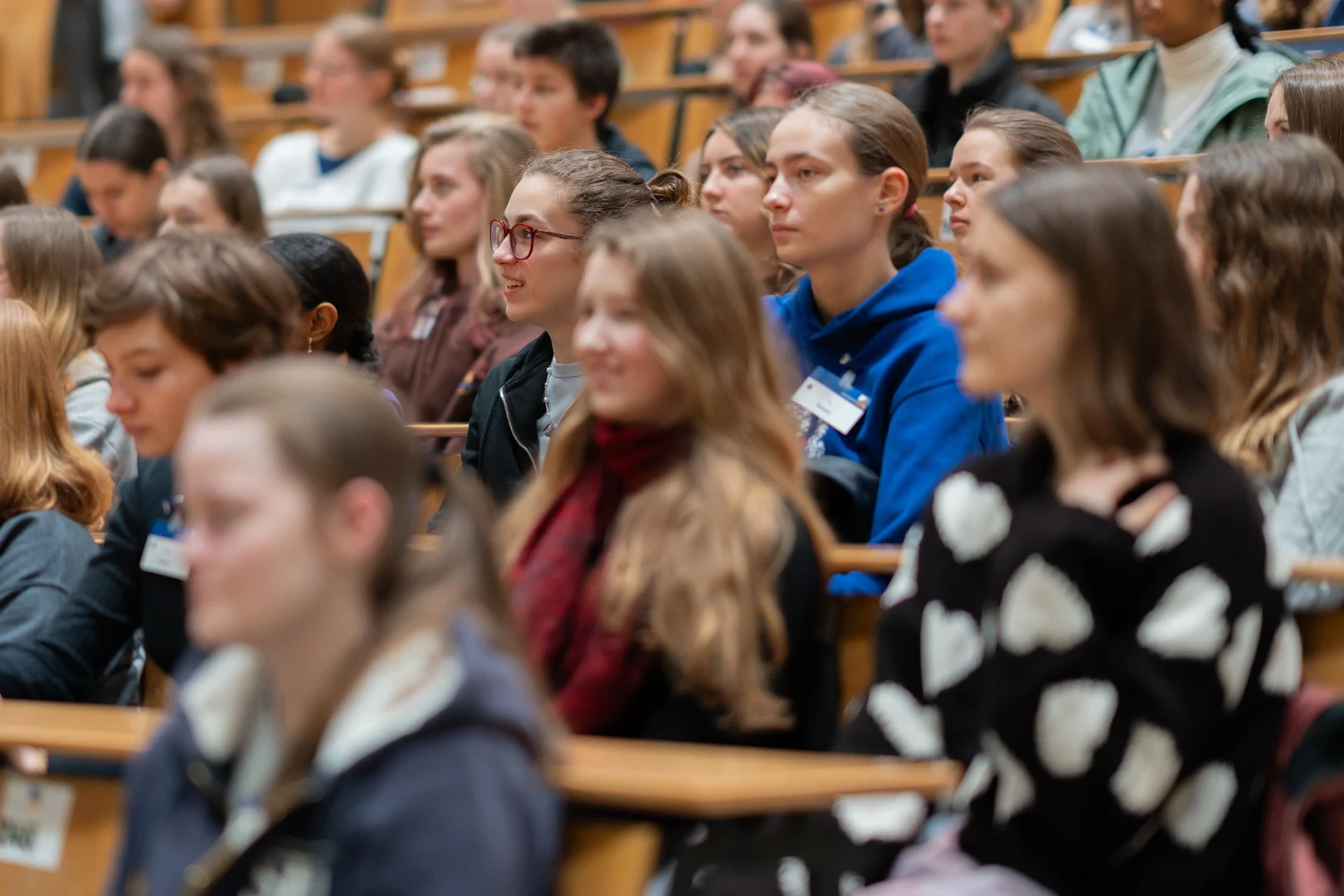
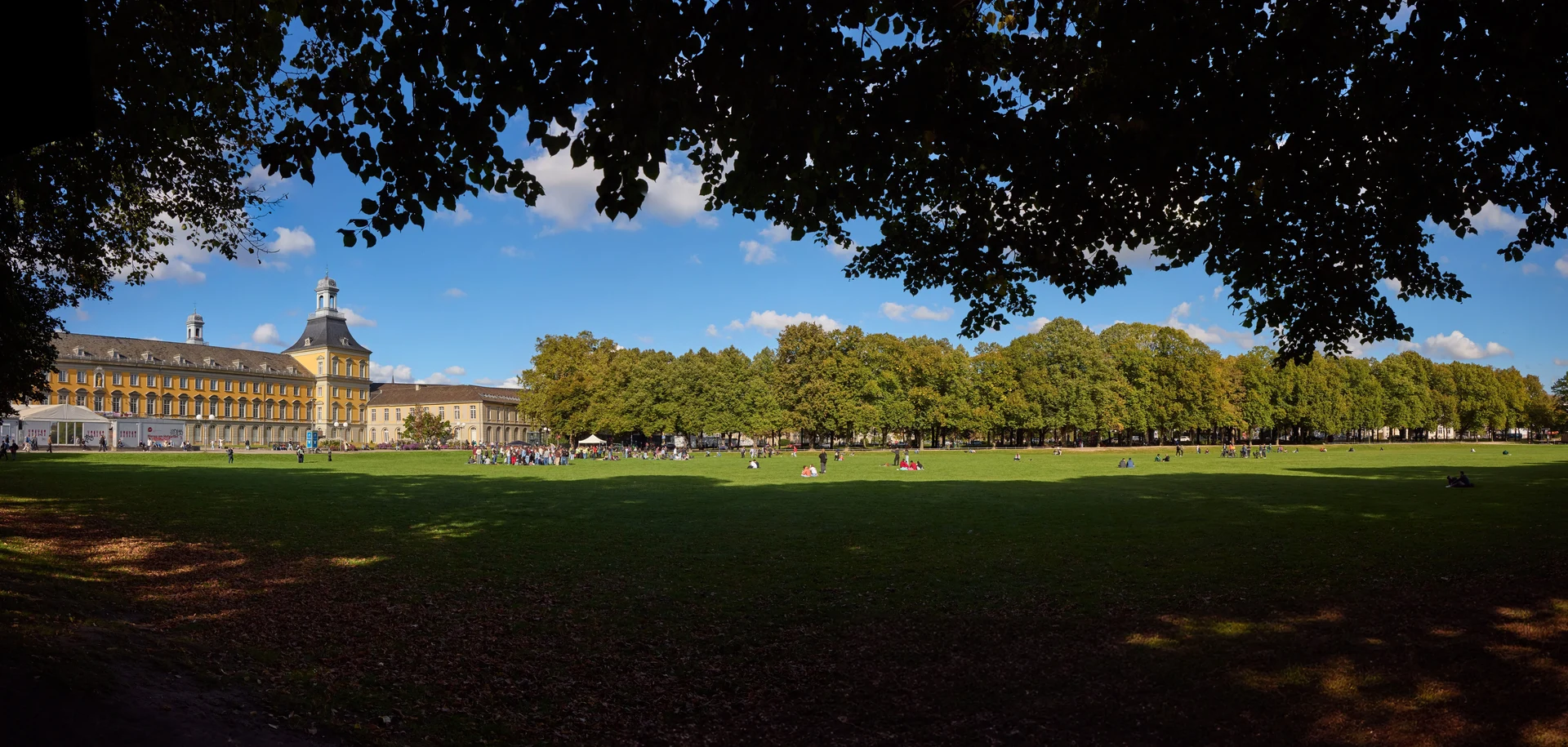
Presentation
The DAAD Summer University 2026, organised by the Forum Internationale Wissenschaft (FIW) in cooperation with the Institute of Sociology at the University of Bonn, is dedicated to the multiple challenges facing higher education institutions worldwide. Over four days, we will examine a selection of key issues that shape the agenda for science and higher education policy. We will look, on the one hand, at how universities respond to various challenges in an international comparison and, on the other hand, at how they maintain their own standards in the face of growing challenges – and how the range of their standards is changing.
Thematic blocks
(1) Responsiveness and accountability
How is the scope for action of higher education institutions shifting within changing social contexts? (Introductory section by David Kaldewey)
(2) Internationalisation in the context of current migration debates
What does ‘internationalisation’ mean in the context of political debates on migration? How do right-wing populist discourses on migration affect higher education institutions? What challenges do refugee movements and geopolitical tensions pose for university internationalisation strategies? (with Lena Laube)
(3) Diversity and political culture wars
What does ‘diversity’ mean in the context of political culture wars? What is the future of the institutionalisation of diversity offices and efforts to create more inclusive universities when these issues face increasing political headwinds? What accessibility challenges lie ahead for universities? (NN)
(4) Knowledge and technology transfer amid geopolitical tensions
What does ‘knowledge and technology transfer’ mean in the context of new geopolitical tensions? What roles do key technologies such as AI play? Are universities drivers of technological disruption, or do they merely react to developments taking place elsewhere? (NN)
(5) Science communication in a transformed media landscape
What does ‘science communication’ mean in the context of a transformed media landscape? How do universities communicate with the wider society? What new communication practices are shaping everyday university life? (with Adrian Hermann & Stefan Priester)
(6) Science and higher education in times of increasing scarcity How do universities respond to resource cuts? Can the crisis also be an opportunity, in the sense of ‘less is more’? What role do private universities play when states are increasingly withdrawing from financial responsibility? (NN)
(7) Universities as places of exile: How can universities be established or further developed as places of exile? From a global perspective, can they be places where academics who can no longer teach or conduct research at their home institutions can at least continue their work for the time being? Can they, furthermore, also serve as safe havens for civil society actors? (with Rosario Figari Layus)

Past Summer Universities and schools
-
10th DAAD Sommer School of FIW 2024: "Aushandlungsprozesse über Flucht und Migration weltweit: Fallbeispiele und aktuelle Debattenegotiation"
-
9th DAAD Summer School of FIW 2023: "Umgang mit Diversität in der Universität des 21. Jahrhunderts: globale Imperative und nationale Eigenlogiken"
-
8th DAAD Summer School of FIW 2022: "Formen und Probleme der Wissenschaftsfreiheit im weltweiten Vergleich"
-
7th DAAD Summer School of FIW 2021: "Anthropogener Klimawandel und die Coronapandemie als ökologische Krisen der modernen Gesellschaft"
-
6th DAAD Summer School of FIW 2019: "Populismus in demokratischen und autoritären Systemen des 21. Jahrhunderts"
-
Summer School "Science and Politics - Exploring Relations Between Academic Research, Higher Education, and Science Policy"
-
5th DAAD Summer School of FIW 2018: "Politik und Religion"
-
4th DAAD Summer School of FIW 2017: "Demokratie und Autokratie in den politischen Systemen der gegenwärtigen Welt"
-
FIW Summer School 2016: "Bridging the Gap: Soziologische Theorie und empirische Forschung"
-
3rd DAAD Summer School of FIW 2016: "Soziokulturelle Diversität und der Strukturwandel der Universität"
-
2nd DAAD Summer School of FIW 2015: "Die Geisteswissenschaften in der Welt"
-
FIW Summer School 2014: "Global Studies and Theory of Society"
-
1st DAAD Summer School of FIW 2014: "Die Internationalisierung des Hochschul- und Wissenschaftssystems weltweit"